Understanding the Relationships Between Clivia Species, Mutations, and Breeding Lines
Clivia Groups & Compatibility
The Clivia genus comprises several distinct species and a vast array of hybrids, each admired for its striking colours, flower forms, and growth habits. Whether your goal is to conserve species, refine a specific colour line, or create something entirely new, understanding group compatibility is essential for successful and predictable breeding results.
Because hybridisation depends heavily on the traits of each parent species, it’s worth exploring the recognised Clivia Species that serve as the foundation for modern breeding. Later, you’ll find details on how these species interact within the Current Compatibility Groups
Understanding Compatibility and Breeding Purpose
A common question among growers is, “What should I pollinate this with?”
The answer depends on the goal - whether to reproduce an existing form, enhance colour, or explore new possibilities.
When breeding within the same mutation or colour group, the expectation is to reproduce a similar flower colour and form. However, when crossing between groups or species, results can vary widely, producing new and sometimes unexpected outcomes.
What Is a Compatibility Group?
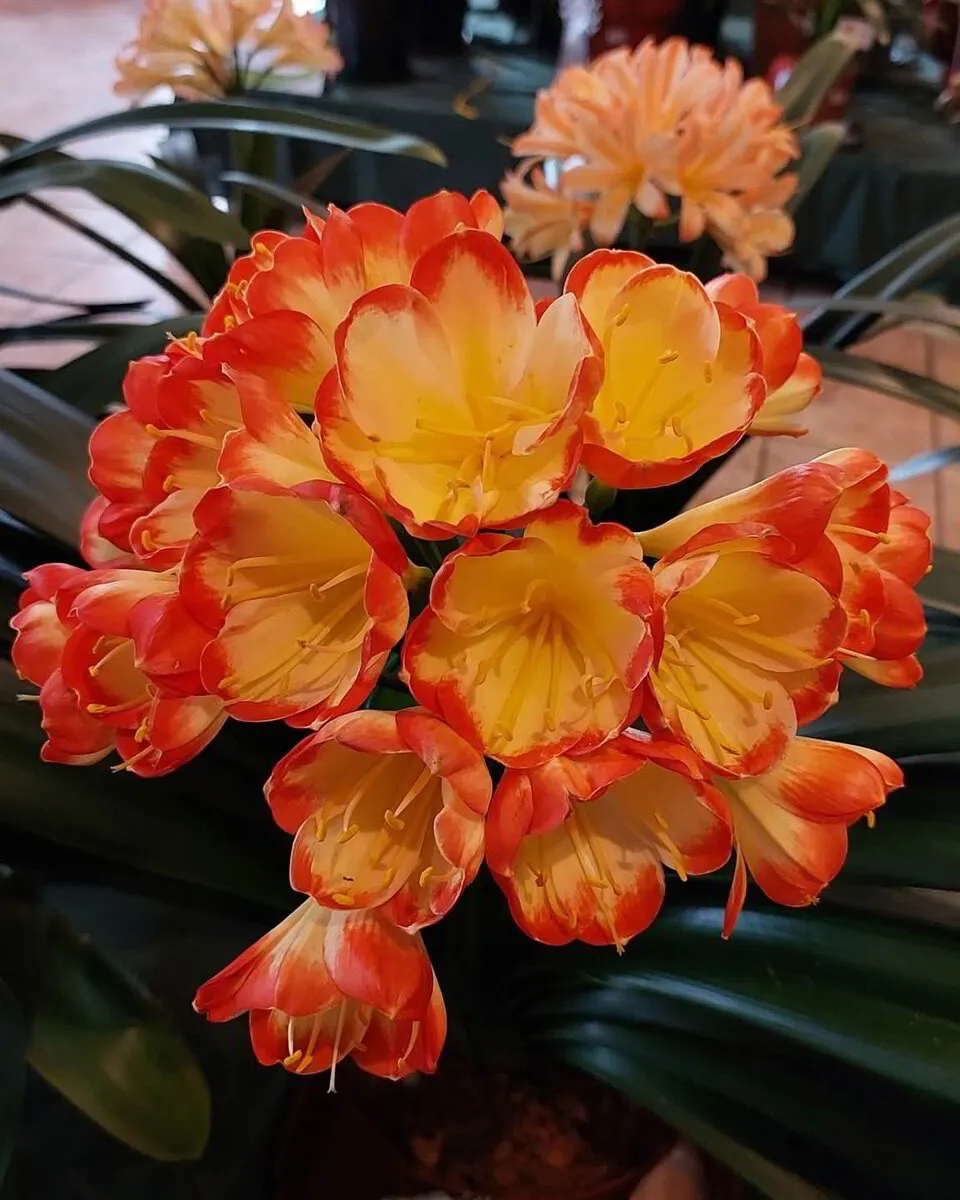
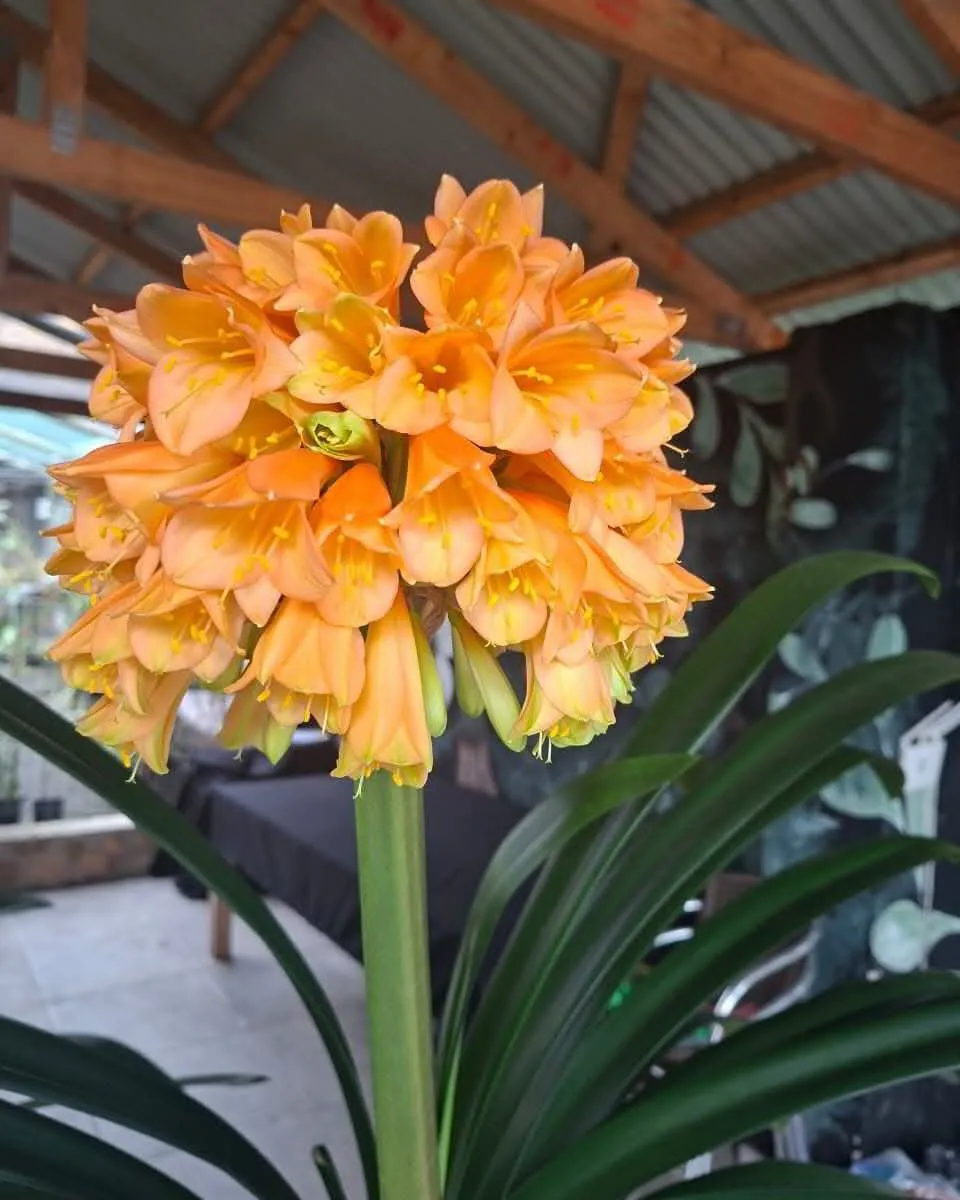
A compatibility group is a collection of Clivia miniata plants that share a genetic mutation resulting in a specific flower colour.
When plants from the same group are crossed, they produce seedlings that are genetically compatible - meaning the offspring typically display the same colour as the parents.
Currently, colour group compatibility applies mainly to yellow, peach, splash, and blush types of Clivia miniata.
Colour Mutations vs. Colour Patterns
For example, “Chiffon” and “White Lips” or “Ghost” flowers display distinctive colour patterns, but these are not genetic mutations. When bred, their offspring may or may not replicate the same look. In contrast, colour mutations such as yellow or peach are genetically stable and can be reproduced predictably when crossed within the same group.
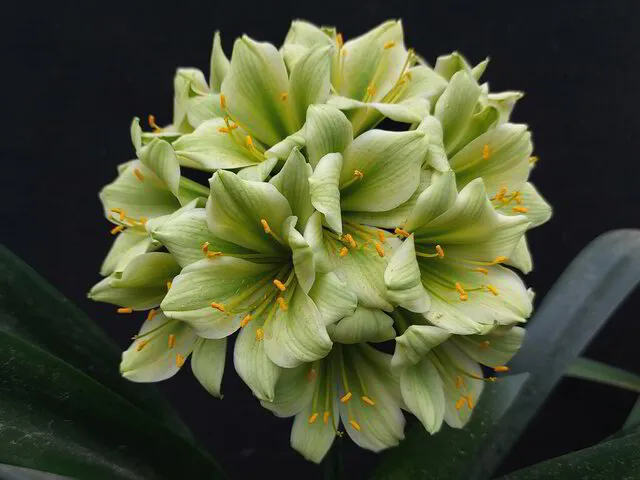
Colour mutation
A colour mutation is a true genetic change that can be passed on reliably through breeding.
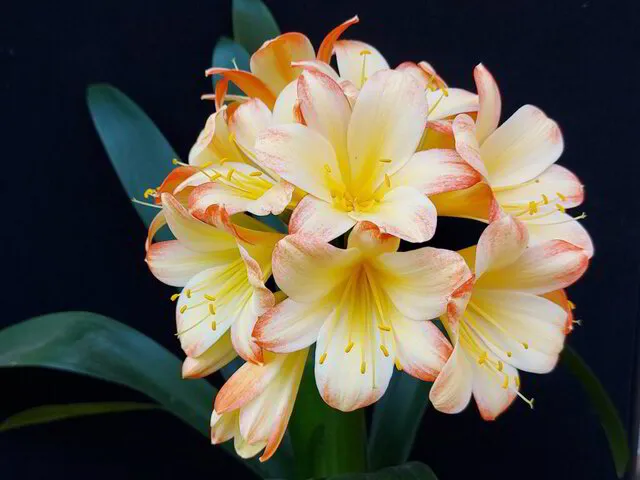
Colour pattern
A colour pattern, on the other hand, refers to the way colour appears or is distributed on the petals, and cannot always be reproduced consistently.
Testing Compatibility
The most reliable way to determine which group a Clivia belongs to is through test pollination. By crossing your plant with others from known groups and observing the resulting seedlings or flowers, you can confirm genetic compatibility.
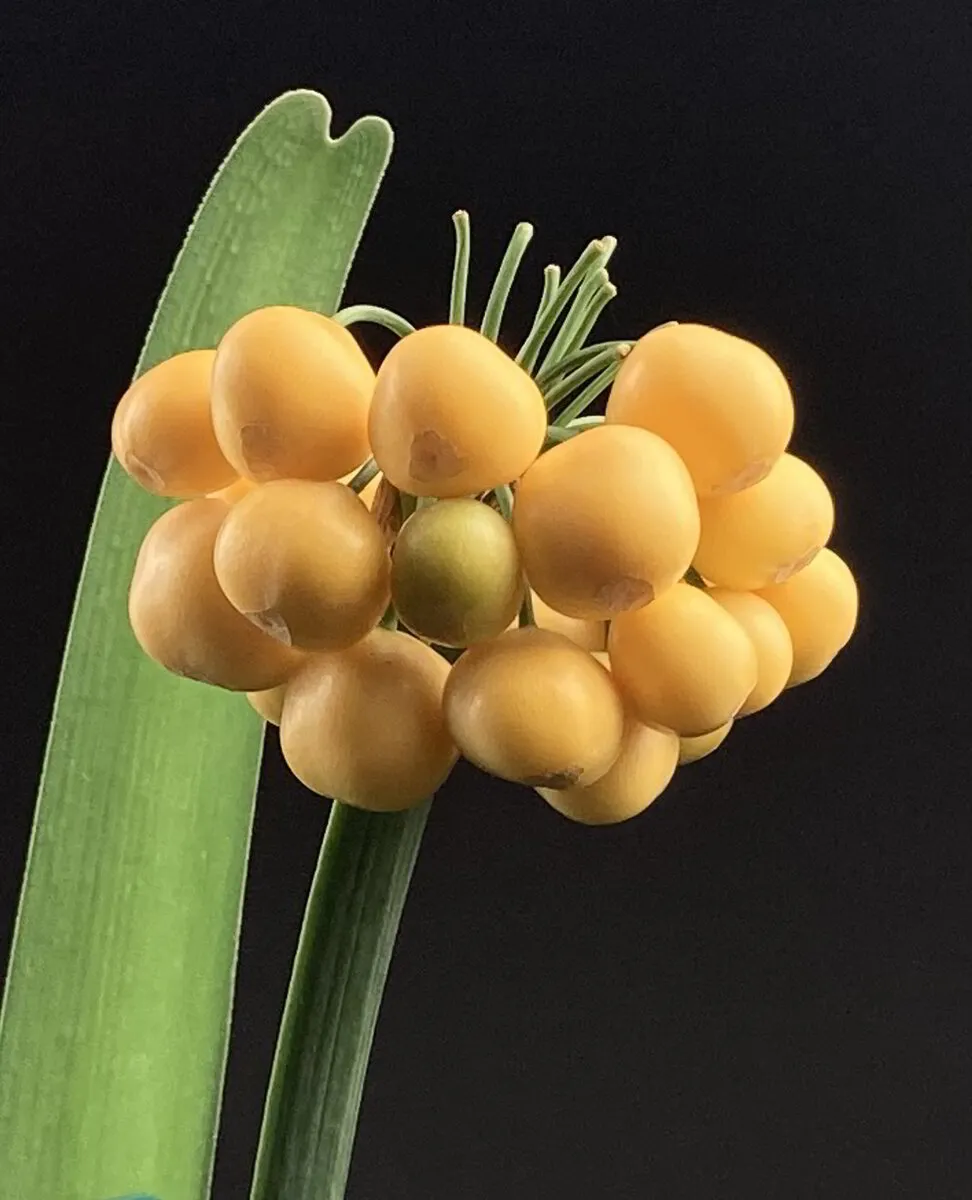
Leaf shape, berry colour, or flower bleeding are not accurate indicators on their own. Breeders often use deduction — for example, if Plant A is compatible with Plant B, and Plant B with Plant C, then Plant A and Plant C are likely in the same group.
Once you’ve established which group your plant belongs to, you can explore the Current Recognised Colour Mutation Groups to identify compatible partners.
Current Recognised Colour Mutation Groups
Over years of breeding, growers have identified several compatibility groups based on colour and breeding results. These help breeders predict outcomes and maintain consistency within mutation lines.
Group 1 - Yellows
Plants in this group produce yellow flowers. Crosses within the group result in unpigmented seedlings that grow true to the parent colour.
Examples:
Vico Yellow, Kirstenbosch Yellow
Group 1 - Peaches
Plants in this group produce peach flowers. Crosses within the group also yield unpigmented seedlings that remain true to the parent colour.
Examples:
Chubb’s Peach, Vico Peach
Group 2 - Yellows
This group is genetically distinct from Group 1 but shares similar breeding behaviour. Plants produce yellow flowers, and crosses within the group result in unpigmented seedlings that breed true.
Examples:
Auriel Batten Yellow, Dwesa Yellow
Group 2 - Peaches
Plants in this group produce soft peach flowers, and when crossed within the group, they also yield unpigmented seedlings that stay true to colour.
Examples:
Cransley Peach, Cynthia’s Dream
Group 3 – Yellow Blush
These plants display yellow flowers that develop pinkish tones as they age. Berries are red, and seedlings are pigmented at germination.
Examples:
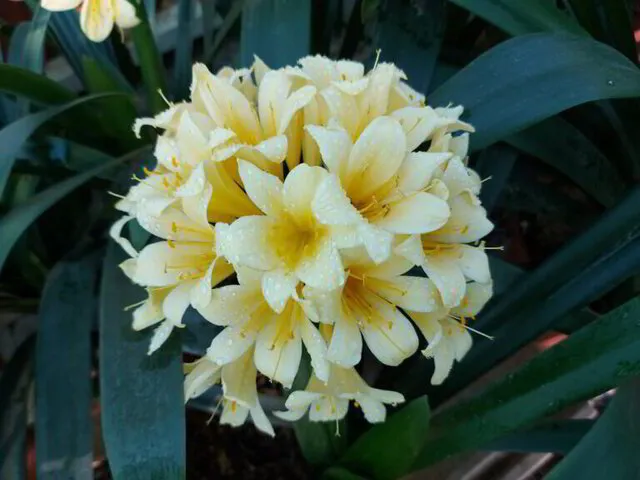
Celtis Kloof Yellow, Greendale Yellow, and Oribi Gorge Yellow.
Alpha Yellow Group
A smaller yellow group featuring plants such as Ndwedwe Alpha Thurston and Mvuma Yellow.
Euro Peach Group
Peach to pink-flowered plants producing unpigmented seedlings.
Examples:
Pretty Pink, Tipperary Peach, and Anna Meyer Peach.
Appleblossom Type Group
Flowers are pale with pink towards the tips, producing pigmented seedlings.
Examples:
Gloria, Helgaard, and Mopi Hirt.
Four Marys Type Group
White to light yellow flowers flushed with pink or mauve tones, producing unpigmented seedlings.
Examples:
Four Marys, Lady Jane, Paljas, and Brenthurst.
Splashed Group
Flowers show yellow petals with red or pink markings on the reverse. Crosses produce unpigmented seedlings.
Examples:
777 Series, Fairytale Series, Strawberry Cheesecake, and Waterkloof Blush.
Conservation Through Breeding
While hybridisation fuels creativity, ethical breeding also plays a role in protecting Clivia’s genetic diversity. Responsible growers document parentage, avoid wild collection, and contribute to conservation projects that safeguard natural populations.
The Clivia Society promotes breeding practices that balance innovation with preservation — ensuring the genus continues to thrive both in gardens and in the wild.
Continuing the Legacy
Each new hybrid adds a chapter to the evolving story of Clivia. By understanding the compatibility and relationships between species, growers contribute not only to the beauty of cultivated plants but also to the long-term sustainability of this remarkable genus.