Nurture healthy, thriving Clivia year after year
Your Guide to Growing Thriving Clivia
Clivias are known for their resilience and beauty, but even the hardiest plant needs the right conditions to flourish. Whether you’re a beginner or an experienced grower, these care tips will help your Clivia thrive at home and reward you with vibrant blooms season after season.
Six pillars for keeping your plants healthy and blooming
Essential Care for Clivia
Watering Wisely
01
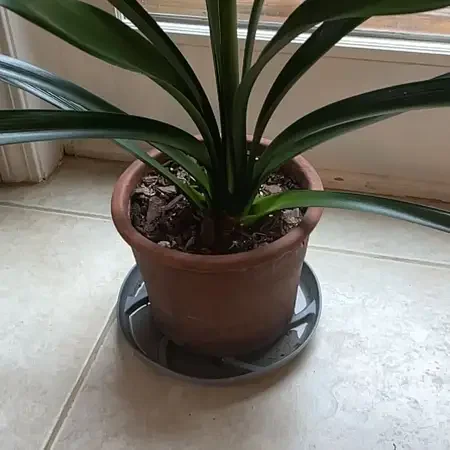
Clivia dislike sitting in soggy soil. Allow the top layer of soil to dry slightly between waterings. During the active growing season (spring and summer), keep the soil evenly moist. In autumn and winter, reduce watering to encourage bud formation and prevent rot.
Light & Placement
02
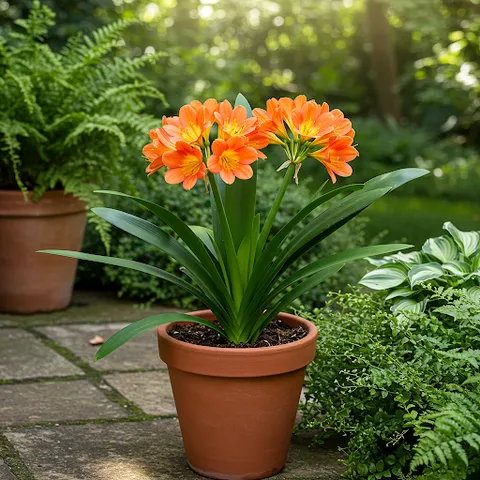
Clivia prefer bright, indirect light. Direct sunlight can scorch their leaves, while too little light may limit flowering. Outdoors, they thrive in the dappled shade of trees. Indoors, place them near an east- or west-facing window, avoiding harsh midday sun.
Soil & Feeding
03
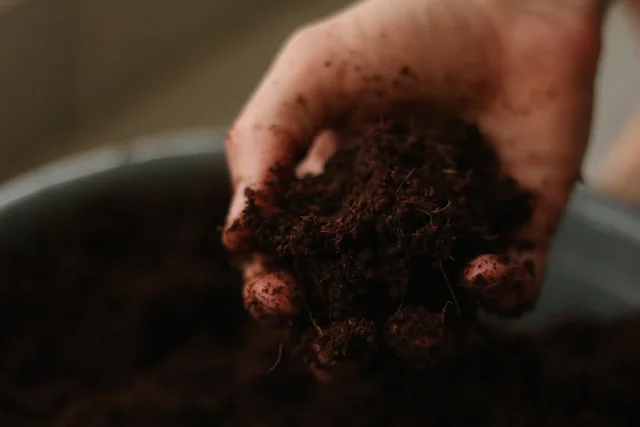
A well-draining mix is essential. Use a blend of potting soil, compost, and coarse sand or bark chips. Feed with a balanced liquid fertiliser every 2–3 weeks during the growing season. Switch to a fertiliser with higher potassium in late summer to support flower development.
Flowering & Aftercare
04
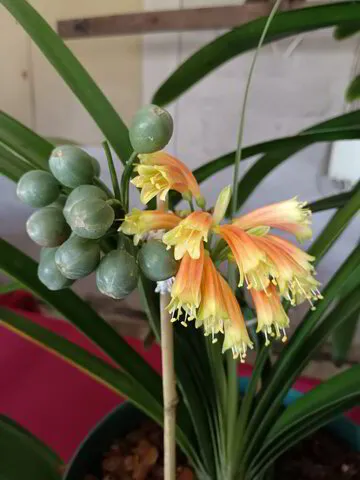
When buds appear, resume regular watering and feeding. After flowering, remove spent flower stalks to direct energy back into the plant. Clivia can live and bloom for decades if cared for properly.
Temperature & Dormancy
05
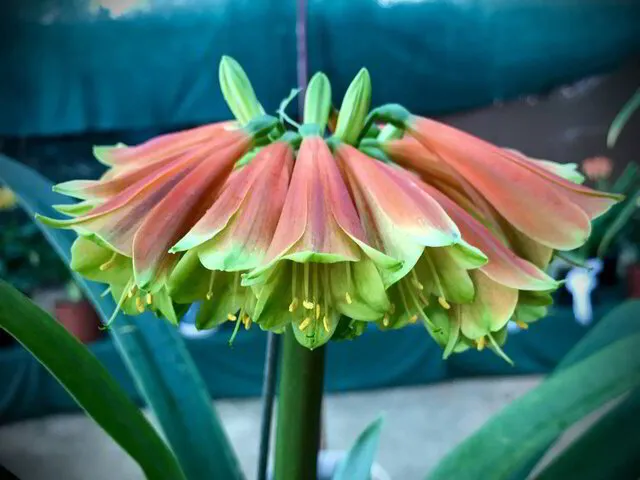
Clivia thrive in moderate temperatures between 10–25°C. They require a cool, dry rest period of about 6–8 weeks in late autumn or early winter. During this time, limit watering and keep them in a cooler spot (ideally 5–10°C). This rest phase is key to triggering flowering.
Repotting & Propagation
06
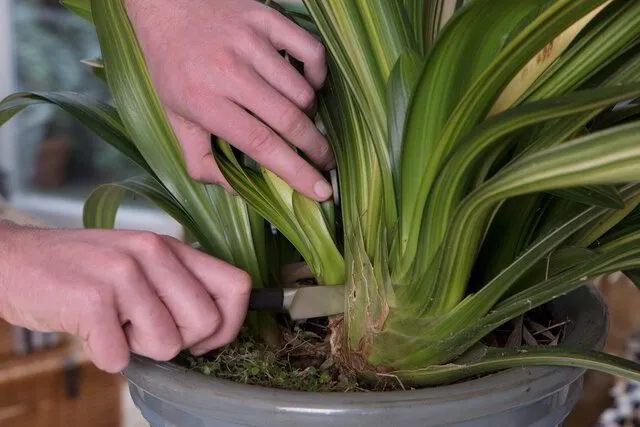
Clivia prefer being slightly root-bound, so don’t rush to repot. Every 3–5 years, refresh the soil and divide offsets (called “pups”) to propagate new plants. Division is best done after flowering.
Solving Common Issues
Yellow leaves
Often a sign of overwatering or poor drainage.
No flowers
The plant may not have had a proper rest period or may lack sufficient light.
Leaf scorch
The plant may be receiving too much direct sun.
Grow Sustainably, Protect Clivia’s Future
Clivias are more than ornamental plants - they’re part of a living heritage. Conserve water, avoid wild collection, and support societies working to protect them for generations to come.