Tracing Clivia Back to Their Origins
Discover the Roots of Clivia
Clivias are more than just beautiful garden plants — they are part of a fascinating botanical story that begins in the shaded forests, grasslands, and rocky slopes of southern Africa. Understanding their species and natural origins provides insight into their diversity, resilience, and ongoing appeal.
The Clivia Genus
The genus Clivia belongs to the Amaryllis family and currently includes six recognised species:
The Icon of the Genus
Clivia miniata
Clivia miniata is the most widely cultivated species and the one most people recognise. Famous for its brilliant clusters of orange, red, or yellow trumpet-shaped flowers, it is both hardy and adaptable. Miniata thrives in shaded gardens, pots, and even indoors, making it a favourite for home growers worldwide. Its ease of care and reliable blooms are why it dominates in international shows and collections.
The Noble Clivia
Clivia nobilis
Discovered along the coastal regions of the Eastern Cape, Clivia nobilis is distinguished by its pendulous, tubular flowers, usually green-tipped orange. Its strap-like leaves arch elegantly, giving it a refined appearance. This species prefers moist, shaded environments and has historical importance as one of the first Clivia species described in the early 19th century.
The Towering Species
Clivia caulescens
Known as the “stem-forming Clivia,” Clivia caulescens can grow taller than most species due to its elongated stem-like base. It bears clusters of hanging orange flowers with green tips, creating a striking display. Native to Mpumalanga and Swaziland, caulescens often grows on rocky slopes and cliffs, where its roots anchor securely in crevices. Its upright habit makes it a dramatic addition to gardens.
The Graceful Clivia
Clivia gardenii
Native to the coastal forests of KwaZulu-Natal, Clivia gardenii has narrower, darker leaves and produces long, drooping, tubular flowers in shades of orange, red, or yellow. Blooming typically in autumn and winter, it brings colour to the cooler months. Its refined form and winter flowering period have made it an important parent in hybridisation programs.
The Giant Among Clivias
Clivia robusta
As its name suggests, Clivia robusta is larger and stronger than its relatives. Similar in appearance to gardenii but bigger in every respect, it has broad leaves and large drooping flowers. Found in swampy areas of KwaZulu-Natal, it is unusually tolerant of wet soils compared to other Clivia species. This trait makes it especially interesting to breeders seeking hardier hybrids.
The Rare Survivor
Clivia mirabilis
The newest addition to the genus, Clivia mirabilis was only described in the early 2000s after being discovered in the Northern Cape. Unlike other species, it has adapted to extremely arid, desert-like conditions by developing a semi-dormant growth cycle. Its leaves are long and leathery, often with reddish bases, and its resilience under drought makes it a botanical curiosity. Because of its rarity and unique adaptations, mirabilis is highly prized by collectors.
Adaptation & Diversity
The remarkable differences among Clivia species have long inspired hybridisers. From flower shape and leaf form to growth habits and seasonal preferences, each species contributes unique qualities that can be carried forward through breeding. This diversity offers an exciting foundation for experimentation and innovation.
Through careful hybridisation, breeders have expanded the palette of what Clivia can be. Today, growers enjoy an ever-widening range of flower colours, from deep reds to delicate pastels, along with striking variegated leaves and unusual plant forms. These creations continue to capture attention at international shows and in private collections, keeping the story of Clivia vibrant and ever-evolving.
Natural Habitats
Clivia are indigenous to southern Africa, where they occupy diverse habitats:
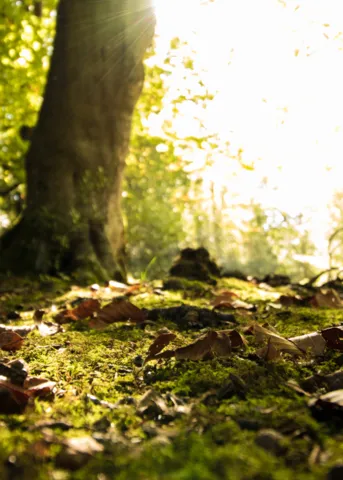
Forest Floors
Life in the Forest
Sheltered, moist environments where miniata thrives.

Grasslands & Slopes
Strength on the Slopes
Home to species like caulescens and gardenii.
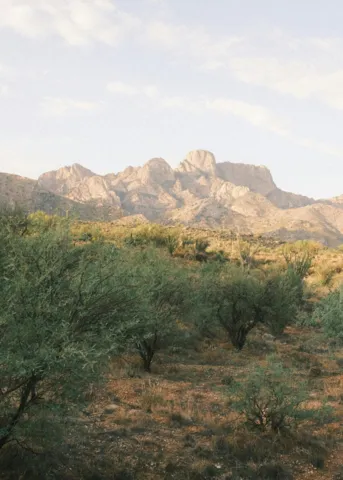
Arid Regions
Survival in the Desert
Where the rare mirabilis has adapted to extreme drought.
Why Origins Matter
Understanding where Clivia come from isn’t just interesting — it’s essential for growing them successfully and preserving their future.
Insight 1
Growing with Nature
Select the right growing conditions.
Insight 2
Conservation Through Cultivation
Appreciate the conservation value of protecting natural Clivia populations.
Insight 3
Water, Shade, and Survival
Understand water and shade requirements.
Continue Learning
Clivia’s diversity begins with its origins, but extends far into the garden.